 By
By 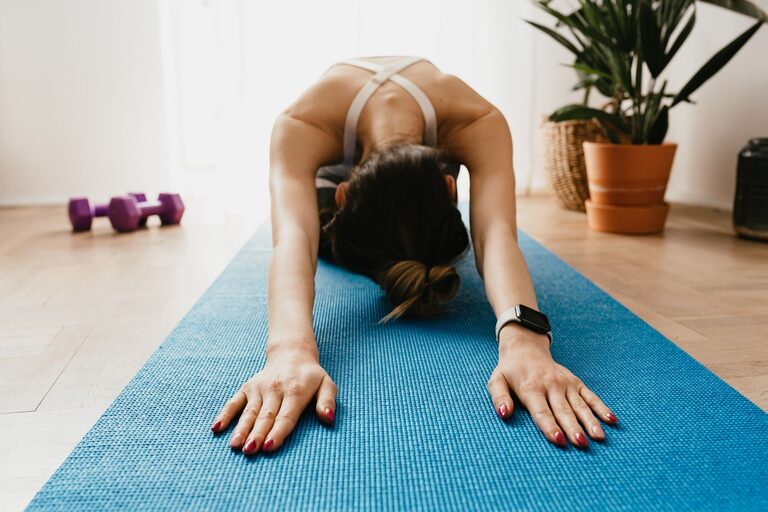
Stretching is a gentle and effective way to enhance your flexibility, relieve muscle tension, and promote overall well-being. You don’t need a gym membership or fancy equipment to start stretching — just a bit of space and a few minutes each day. This beginner’s guide will walk you through everything you need to know about stretching at home safely and effectively.
Why Stretching Matters
Stretching helps to:
– Improve flexibility and range of motion
– Increase blood flow to muscles
– Reduce muscle stiffness and soreness
– Promote better posture
– Lower the risk of injury during physical activities
– Help you relax and reduce stress
By incorporating stretching into your daily routine, you can make everyday movements easier and feel more comfortable throughout the day.
When to Stretch
You can stretch:
– After waking up: To loosen up your body and start the day energized
– Before exercising: As part of your warm-up to prepare muscles (focus on dynamic stretches)
– After exercising: To cool down and prevent tightness (focus on static stretches)
– During breaks: If you have a sedentary lifestyle, taking short stretching breaks can improve circulation
For beginners, stretching about 5 to 10 minutes daily is a great starting point.
Safety Tips for Stretching at Home
Before you begin, keep these safety tips in mind:
– Warm up slightly first. Stretching cold muscles can lead to injury. Try marching in place or light walking for 3-5 minutes.
– Stretch gently and slowly. Avoid bouncing or forcing your body into positions. Stretch until you feel mild tension, not pain.
– Breathe deeply. Don’t hold your breath; exhale slowly as you stretch to relax muscles.
– Listen to your body. If a stretch causes sharp pain or discomfort, ease off or skip it.
– Be consistent. Flexibility improves with regular practice over time.
Basic Stretching Exercises for Beginners
Here are some easy stretches suitable for most people. Aim to hold each stretch for 15-30 seconds and repeat 2-3 times.
1. Neck Stretch
– Sit or stand tall.
– Slowly tilt your head toward one shoulder until you feel a gentle stretch on the opposite side of your neck.
– Hold and switch sides.
2. Shoulder Roll and Stretch
– Roll your shoulders forward in a circular motion 5 times, then backward 5 times.
– Extend one arm across your chest and use the other arm to gently press it closer to your body, stretching your shoulder.
3. Cat-Cow Stretch (for the back)
– Get on your hands and knees on a mat.
– Arch your back upward like a cat, tucking your chin toward your chest.
– Then dip your back down, lifting your head and tailbone up like a cow.
– Repeat slowly 5-8 times.
4. Seated Forward Bend
– Sit with your legs extended in front of you.
– Keeping your back straight, lean forward gently and reach for your toes.
– You can bend your knees slightly if needed.
– This stretch targets your hamstrings and lower back.
5. Standing Quad Stretch
– Stand tall and support yourself by holding a chair or wall if needed.
– Bend one knee and grab your ankle, pulling your heel toward your buttocks.
– Keep your knees close together and stand straight.
– Switch legs.
6. Calf Stretch
– Stand facing a wall, placing your hands on it at shoulder height.
– Step one foot back, keeping it flat on the floor and your leg straight.
– Bend the front knee and lean into the wall until you feel the stretch in the back calf.
– Switch sides.
7. Butterfly Stretch (inner thighs)
– Sit on the floor and bring the soles of your feet together, letting your knees fall open.
– Hold your feet with your hands and gently press your knees down toward the floor.
– Keep your back straight.
Creating Your Stretching Routine
To build a simple home stretching routine:
- **Warm up lightly** for 3-5 minutes.
- **Choose 5-7 stretches** from the list above or others you enjoy.
- Hold each stretch for 15-30 seconds.
- Repeat each stretch 2-3 times.
- Focus on smooth breathing throughout.
- Stretch most days of the week, gradually increasing time and intensity as you feel comfortable.
Additional Tips for Success
– Wear comfortable clothing that allows movement.
– Use a yoga mat or soft surface to protect knees and joints.
– Consider playing calming music to enhance relaxation.
– Keep a notebook or app to track your progress and stay motivated.
– If you have any health conditions or injuries, consult a healthcare professional before starting.
Final Thoughts
Stretching at home is a convenient, low-cost way to improve your flexibility and overall comfort. Starting slow and being consistent are the keys to building a healthy habit. With regular practice, you’ll notice increased mobility, reduced muscle tension, and a greater sense of well-being.
So, clear a little space, grab a mat, and start stretching your way towards a more flexible and relaxed body today!