 By
By 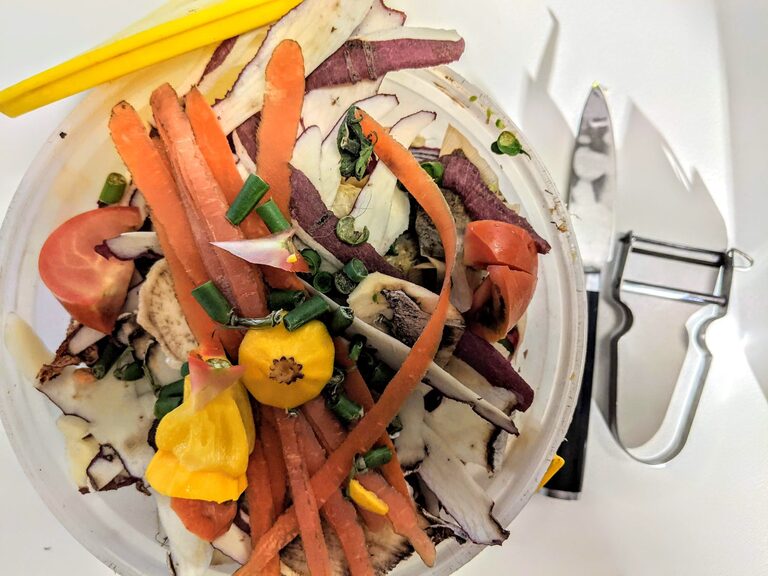
Reducing food waste at home is not only good for your wallet but also beneficial for the environment. Food waste contributes significantly to greenhouse gas emissions and wastes valuable resources like water and energy used in food production. Luckily, there are many practical steps you can take to cut down on wasted food.
Why Reducing Food Waste Matters
When food is thrown away, all the resources involved in growing, harvesting, transporting, and packaging are also wasted. Additionally, decomposing food in landfills produces methane, a potent greenhouse gas. By reducing food waste at home, you help conserve resources, cut greenhouse gas emissions, and save money by making the most of the food you buy.
Plan Your Meals Ahead
One of the easiest ways to reduce food waste is through meal planning.
– Make a weekly meal plan: Decide what you’ll cook each day to avoid impulse buys.
– Create a shopping list: Stick to your list to avoid overbuying.
– Check your pantry and fridge first: Use up ingredients you already have before buying more.
Having a clear plan reduces the chance of buying too much food or items you won’t use.
Shop Smartly
When you shop, be mindful of what, how much, and when you buy.
– Buy loose produce: This way, you can purchase just the quantity you need.
– Choose smaller packages: Especially for perishable items if you live alone or have a small household.
– Avoid shopping when hungry: Hunger can lead to purchasing unnecessary items.
Smart shopping habits help prevent excess food that might spoil before you can use it.
Store Food Properly
Proper storage extends the life of your food and prevents spoilage.
– Know your fridge layout: Store perishable items like dairy and meat in the coldest part, usually near the back.
– Use airtight containers: Keep leftovers and cut fruits or vegetables fresh.
– Separate ethylene-producing fruits: Apples, bananas, and tomatoes release gas that can speed ripening of other produce, so store them separately.
– Keep herbs fresh: Treat fresh herbs like flowers — trim stems and place them in water in the fridge.
Using the right storage techniques can add days to the life of your groceries.
Use Leftovers Creatively
Leftovers don’t have to be boring or forgotten in the back of the fridge.
– Incorporate leftovers into new meals: Turn roasted veggies into soups or salads.
– Freeze extras: Portion leftovers and freeze them for quick meals later.
– Create a “leftover night”: Designate one night a week to enjoy any leftover food.
Making the most of leftovers reduces waste and saves cooking time on busy days.
Understand Expiration Labels
Confusion about expiration dates often leads to discarding perfectly good food.
– “Best by” or “Use by” dates: Generally indicate quality rather than safety.
– “Sell by” dates: For store inventory management, not an exact indicator of spoilage.
– Use your senses: Smell, sight, and texture can be better guides than dates alone.
Learning to interpret labels can help avoid unnecessary waste.
Compost Food Scraps
Even with careful planning, some food waste is unavoidable.
– Start a compost bin: Composting food scraps like vegetable peels, coffee grounds, and eggshells returns nutrients to the soil.
– Use kitchen compost containers: Keep a small bin in your kitchen for scraps, making composting easy.
– Check local guidelines: Some areas offer compost pickup or community composting programs.
Composting diverts food waste from landfills and supports sustainable gardening.
Share and Donate Extra Food
If you have food that you won’t use but is still good, consider sharing.
– Give to neighbors or friends: Share surplus fruits or baked goods.
– Donate to food banks or shelters: Many organizations gladly accept non-perishable and fresh food donations.
– Use food sharing apps: Some communities have apps or platforms to connect people who want to share food.
Sharing helps reduce waste and supports community members in need.
Embrace “Ugly” Produce
Many fruits and vegetables get discarded for cosmetic reasons but are perfectly edible.
– Buy imperfect produce: Some stores and farmers markets offer “ugly” produce at a discount.
– Cook creatively: Use bruised or misshapen produce in soups, smoothies, or stews.
– Wash and store properly: Ensure these items are cleaned and stored correctly to maximize freshness.
Choosing imperfect produce helps reduce waste upstream in the supply chain.
—
By incorporating these strategies into your daily routine, you can significantly reduce food waste at home. It’s a win-win for your budget, your kitchen, and the planet. Start small, be consistent, and enjoy the benefits of a more sustainable lifestyle.